




Simple Solutions for Strong and Secure Installations
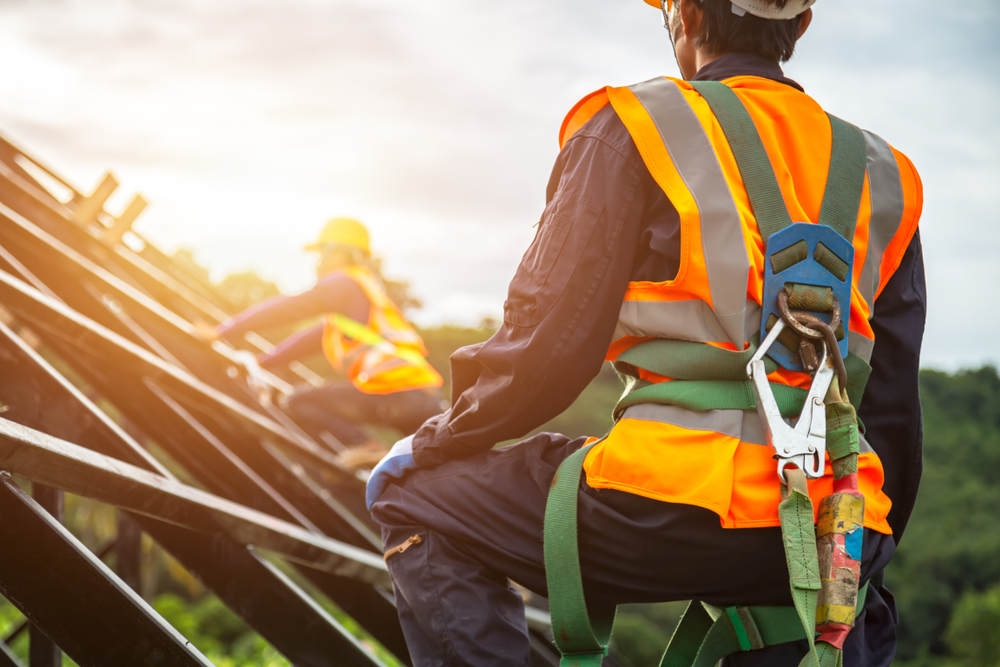
When it comes to construction, renovation, or even home DIY projects, one of the most important considerations is ensuring strength and security. Whether you’re working on a large building framework or a smaller household task, the right approach and hardware can make all the difference. Simple solutions often prove the most effective, providing durability, safety, and peace of mind.
The Importance of Secure Installations
Every project, big or small, needs to be properly secured. Poorly installed fittings or weak joints can lead to long-term problems such as structural movement, wear and tear, or even safety hazards. By focusing on secure methods from the beginning, you not only save time and money in future repairs but also ensure that your work stands the test of time. A reliable installation isn’t about complicated techniques; often, it comes down to choosing the correct components and fitting them with care.
Choosing the Right Materials
One of the simplest yet most effective steps you can take is to select the right materials for the job. Not every screw, bolt, or fixing is suitable for all applications. For example, indoor installations require different hardware compared to outdoor ones, where exposure to the elements demands rust-resistant options. Similarly, structural projects need stronger reinforcements than decorative tasks. By matching materials to the conditions, you create an installation that is both strong and durable.
Reinforcement for Structural Stability
In construction and renovation projects, reinforcements are crucial to maintaining stability. Roofs, walls, and floors need to be securely tied together to withstand pressure, movement, and even weather conditions such as strong winds. Simple components like restraint straps play a vital role here. They provide additional strength to joints and prevent unwanted movement, ensuring that the structure remains solid over time. Installing these reinforcements is straightforward yet makes a significant difference to the overall safety of a project.
Practical Fixing Techniques
Strong and secure installations don’t always rely on high-end tools; they often depend on practical techniques. Pre-drilling holes before inserting screws, for example, reduces the risk of wood splitting and ensures a tighter fit. Using the right length and type of screw is equally important, as an ill-fitting one can compromise stability. Another simple practice is tightening fixings evenly, which helps distribute weight and prevents strain on a single point. By following these methods, you can achieve professional results even on smaller DIY projects.
Balancing Strength with Flexibility
While rigidity is essential for stability, a certain degree of flexibility is also important in installations. Buildings naturally expand and contract with changes in temperature and moisture. Allowing for this movement prevents cracks and structural issues from developing. Components designed to balance strength and flexibility are a great solution here. They ensure everything remains secure without restricting the natural adjustments of the materials.
Long-Term Durability
The goal of any installation is to last. To achieve long-term durability, think beyond the immediate task. Will your installation hold up to daily use? Can it withstand seasonal changes? Are you using corrosion-resistant materials where necessary? Addressing these questions early helps you choose simple yet effective solutions that won’t let you down. Investing a little extra in quality hardware today often saves time, money, and effort in the future.
Safety First
Secure installations are not only about strength and longevity but also about safety. From heavy shelves and outdoor decking to entire roof structures, the last thing you want is an unstable or unsafe setup. By applying reliable methods and choosing the correct reinforcements, you protect both your work and those who use the space. Safety should always remain at the forefront of any project.
To Sum Up
Strong and secure installations don’t need to be complicated. By choosing the right materials, applying practical techniques, and adding simple reinforcements where needed, you can create results that are both durable and safe. Whether you’re tackling a major construction task or a smaller DIY project, these solutions offer a straightforward way to achieve long-lasting success.