




Integrating Classic Design Elements into Modern Homes
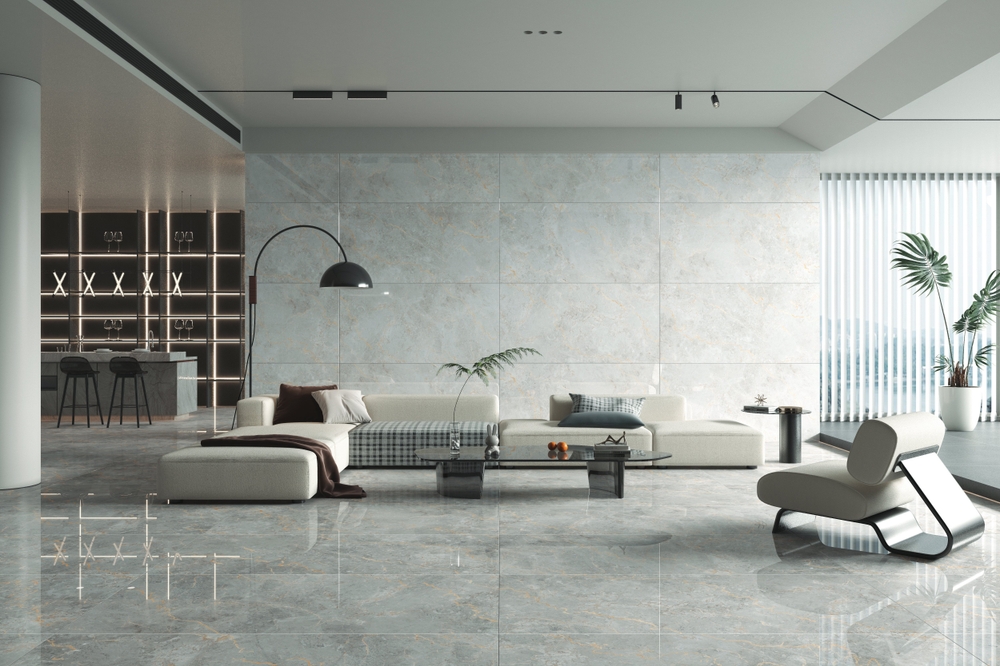
Creating a home that feels timeless yet fresh is an art. Modern design champions clean lines, open spaces and minimal clutter, while classic design brings warmth, detail and a sense of history. Blending these two styles can give your home character and comfort without feeling dated. In this blog, we’ll explore how to integrate classic design elements into contemporary spaces in ways that feel intentional, cohesive and stylish.
The Beauty of Balance
The first step in mixing classic and modern styles is understanding balance. Classic design often features ornate details, rich textures and traditional materials like wood and brass. Modern design, on the other hand, focuses on simplicity and function. When combined thoughtfully, these elements create a dynamic space that feels layered and personal.
A good rule of thumb is to choose a dominant style and then layer in elements of the other. For example, a modern living room with a sleek sectional sofa can be elevated with a traditional Persian rug or a vintage coffee table. This approach ensures that neither style overwhelms the space.
Architectural Details That Speak Volumes
One of the most impactful ways to introduce classic design into a modern home is through architectural details. Crown moulding, wainscoting and decorative trim can add depth and character to simple, contemporary rooms. These features don’t have to be fussy; instead, choose profiles that are streamlined and clean to bridge the gap between old and new.
Consider installing coffered ceilings in a modern dining room or adding panelled walls in a minimalist study. These classic elements bring visual interest without detracting from the overall modern aesthetic.
The Power of Timeless Hardware
Hardware is one of the easiest and most effective ways to blend styles. Door handles, cabinet pulls and light fixtures serve as small but meaningful accents that tie a room together. By selecting pieces with classic design cues in modern finishes, you can create a harmonious look.
For example, upgrading your doors with sophisticated handles like those from Alexander & Wilks provides a sense of heritage and quality while still fitting into contemporary interiors. These subtle details make a significant difference in elevating the overall design without feeling out of place.
Furniture: Marrying Old and New
Furniture plays a central role in shaping the style of a room. When mixing classic and modern pieces, focus on proportion, scale and harmony. A modern sofa with a low profile pairs beautifully with a classic wingback chair or an antique sideboard. The key is to mix pieces that speak to each other through colour or form rather than matching them exactly.
Start with modern furniture as the foundation for living spaces, and then add in classic accent pieces that have history or craftsmanship. A well-curated collection of items can make your home feel curated rather than chaotic.
Texture and Materials
Texture is another powerful tool in blending classic and modern design. Classic spaces often use materials like velvet, brocade, natural wood and marble. Modern design favours smooth surfaces like glass, metal and polished concrete. To achieve a cohesive look, layer these textures in thoughtful ways.
For example, a modern kitchen with glossy white cabinetry can feel warmer and more inviting with a marble backsplash or butcher block island top. In living areas, pair sleek leather furniture with plush, patterned throws or classic woven textiles. These textural contrasts add depth and tactile richness to your interiors.
Final Thoughts
Combining classic design elements with modern sensibilities enriches your living space, creating an environment that’s both timeless and current. With thoughtful choices in architecture, furniture, materials and details, you can create a home that feels balanced, beautiful and uniquely yours.