




Industrial Photography in Europe: Capturing the Engines of Modern Industry
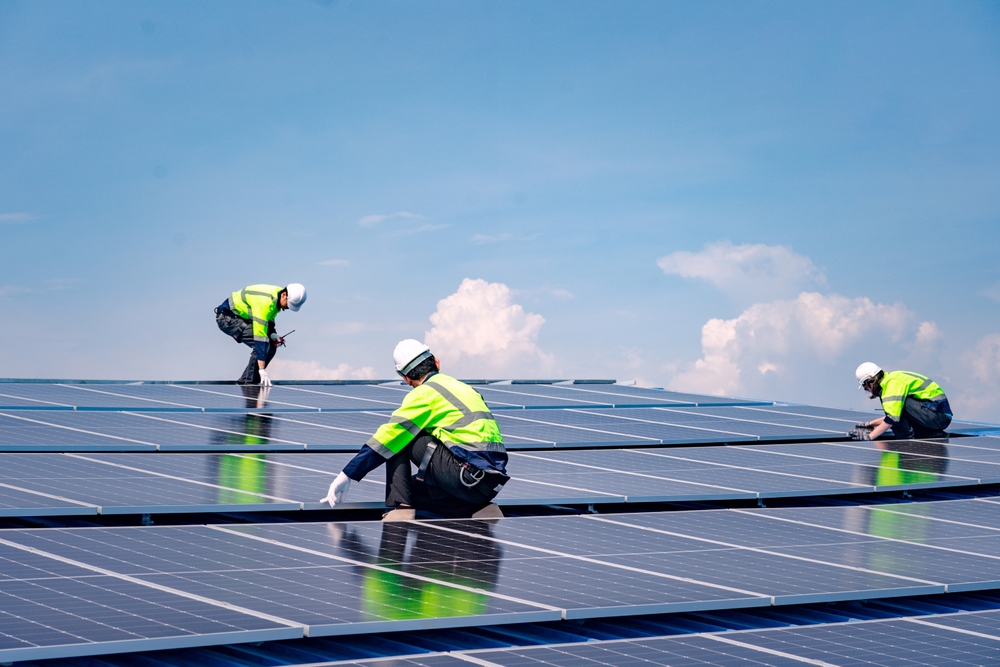
In an age defined by innovation, infrastructure, and global supply chains, industrial photography has become a vital tool for companies across Europe. Far from being mere documentation, it plays a strategic role in how businesses communicate their capabilities, culture, and commitment to quality. Whether showcasing advanced manufacturing, renewable energy projects, or logistics hubs, industrial photography helps organisations tell their visual story with clarity and impact.
This article explores the growing importance of industrial imagery in Europe, its key applications, and why expert visual storytelling matters now more than ever.
What Is Industrial Photography?
At its core, industrial photography is the practice of photographing industrial environments, processes, people, and infrastructure. It captures the essence of industrial operations in ways that technical reports or words alone cannot.
Industrial photography conveys:
- Scale and capability
- Technical precision
- Human expertise
- Safety standards
- Innovation and sustainability
These images are used across websites, annual reports, marketing campaigns, investor presentations, recruitment materials, and internal communications. When done well, they do much more than record a scene. They communicate values, professionalism, and purpose.
Why Industrial Photography Matters in Europe
Europe is home to a vast and diverse industrial landscape. From heavy engineering plants in Germany to aerospace facilities in France, food production sites in Italy to logistics hubs in the Netherlands, the continent’s industrial base is both complex and connected.
For European companies, strong visual representation is essential for several reasons:
- Promoting Technical Excellence
Industrial operations are technical by nature. Photography helps translate complexity into comprehensible visuals that clients and partners can immediately understand. A well-lit photo of precision machinery or a modern assembly line communicates efficiency and expertise without needing extensive explanation.
- Humanising Industrial Environments
Industrial sites are often perceived as cold or purely functional. Photography can change that perception by focusing on the people who make operations run. Images of technicians, engineers, operators, and maintenance teams at work bring a human dimension to industrial settings, reinforcing credibility and trust.
- Strengthening Brand Identity
With ever-greater competition across sectors, visual consistency has become a critical element of brand identity. Industrial imagery that aligns with a company’s values helps differentiate it from competitors. Whether a business positions itself as innovative, sustainable, or highly dependable, photography can underline those messages authentically.
Supporting Sustainability and Innovation Narratives
Environmental responsibility and technological advancement are central to many European industries. Industrial photography now highlights more than mechanical processes. It shows:
- Renewable energy systems
- Green manufacturing practices
- Efficient logistics solutions
- Safety protocols in action
These images help companies tell stories about sustainability and innovation in ways that resonate with stakeholders, investors, and the public.
The Technical Art of Industrial Photography
Unlike studio or landscape photography, industrial environments present unique challenges. Lighting can be harsh or inconsistent, spaces might be vast or tightly confined, and safety considerations always come first. Professional industrial photographers bring technical expertise to manage these conditions effectively.
Key skills include:
- Mastery of artificial and natural light
- Creative use of angles to enhance scale
- A composition that balances machinery, space, and people
- Awareness of safety and operational protocols during shoots
This technical skill set ensures that photographs are not only visually strong but also respectful of the work environment.
Applications Across Industries
Industrial photography serves many sectors, including:
- Manufacturing and machinery
- Energy and utilities
- Construction and infrastructure
- Logistics and warehousing
- Food processing and pharmaceuticals
In each case, photography helps communicate competence and clarity. For instance, for manufacturers presenting at trade shows or uploading portfolios online, compelling visuals are indispensable tools for engagement.
Telling a Story, Not Just Taking Pictures
Industrial photography is most effective when it goes beyond decoration. Great industrial imagery tells a story: how a facility functions, who works there, what technologies are used, and what values a company upholds. It bridges the gap between technical reality and audience understanding.
The European Edge
Europe’s industrial sector is shaped by rigorous standards, innovation, and diversity. From historic sites in the United Kingdom to leading-edge facilities in Scandinavia and central Europe, the continent’s industrial narrative is rich and varied. Photography that honours this diversity, while presenting a cohesive and professional visual identity, adds tremendous value to corporate communication.
Choosing the Right Industrial Photographer
Selecting a photographer with experience in industrial environments is crucial. A specialist understands not only technical photography skills but also how to translate operational reality into compelling visuals that serve strategic business goals.
Working with someone experienced in European industrial contexts and varied settings ensures that imagery feels authentic, respectful, and impactful.